Macaw Care Guide for Beginners
A neighbor of mine adopted a Blue and Gold Macaw a few years ago from someone who simply hadn’t understood what they were taking on. The bird was underweight, poorly socialized, and had picked up a screaming habit from years of being ignored in a cage that was honestly too small for a bird his size. Watching my neighbor slowly rehabilitate that macaw, correcting the diet, rebuilding trust, and rearranging the entire setup, taught me more about what these birds actually need than any general care sheet could.
If you’re considering a macaw, here’s what genuinely matters, based on watching that rehabilitation process up close.
Understanding the Size and Commitment
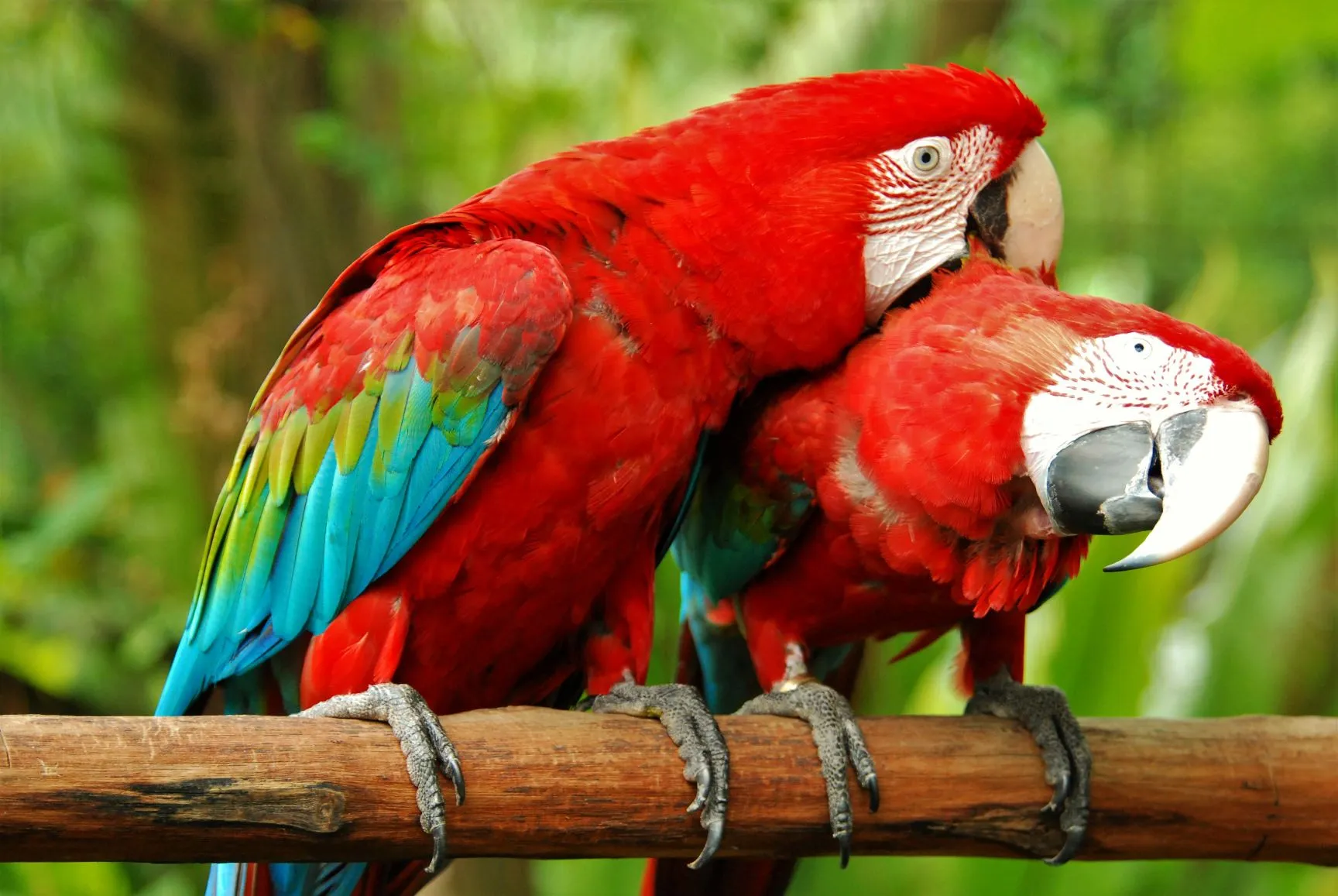
Macaws are among the largest commonly kept pet parrots, and that size comes with real practical implications. They need substantial space, produce a lot of noise, and can live 50 years or more depending on the species. This isn’t a decision to make casually. The macaw my neighbor took in was surrendered specifically because the previous owner hadn’t accounted for the space, noise, and decades-long commitment involved.
Cage Size Done Right
Given their size, macaws need genuinely large cages, often significantly bigger than what pet stores market as sufficient. As a rough guideline, a cage should allow full wing extension without touching the sides and enough room for the bird to move between multiple perches comfortably.
When my neighbor upgraded the rehabilitated macaw’s cage to something appropriately sized, along with adding a floor-to-ceiling playstand nearby for supervised out-of-cage time, the bird’s overall demeanor visibly improved within a few weeks, calmer, less prone to cage-pacing behavior.
Diet Requirements
Like other large parrots, macaws need a varied diet built around high-quality pellets rather than a seed-heavy mix. Fresh vegetables, limited fruit, and occasional nuts, which macaws particularly enjoy given their naturally strong beak built for cracking tough shells, round out a balanced diet.
The rehabilitated macaw initially refused pellets entirely, having been raised almost exclusively on seed. Getting him to accept a healthier diet took weeks of gradually mixing pellets into his existing food and slowly reducing the seed ratio, rather than switching abruptly, which he simply rejected the first few times it was tried.
The Noise Factor
This deserves its own section because it’s the detail most new owners underestimate. Macaws are loud, capable of producing calls that carry significant distances, and this isn’t a behavioral problem to train away entirely, it’s a natural part of their communication. Morning and evening “contact calls,” loud vocalizations that would carry across a jungle canopy in the wild, are normal and expected.
Anyone considering a macaw needs to seriously think through their living situation, apartment living with close neighbors is generally not a good fit for this species, before bringing one home.
Social and Enrichment Needs
Macaws are highly social and bond strongly with their owners, requiring substantial daily interaction. Boredom in an under-stimulated macaw often shows up as excessive screaming, feather damage, or destructive chewing, which is exactly what had happened with the rehabilitated bird before he was taken in.
Rebuilding his engagement involved consistent daily out-of-cage time, foraging toys that made him work for food rather than simply eating from a bowl, and patient, gradual training to rebuild trust that had clearly been damaged by prior neglect. Within several months, his screaming had reduced significantly, though it never disappeared entirely, since some vocalization is simply normal macaw behavior.
Beak Strength and Chew Needs
Macaws have some of the strongest beaks among pet birds, developed to crack open tough nuts and seed pods in the wild. This means they need substantial, safe chew toys, made specifically for large parrots, since anything flimsy gets destroyed quickly and could pose a safety risk if not appropriately durable.
Providing an ongoing supply of appropriate wood and safe chew items isn’t optional for this species, it’s a genuine outlet for a natural behavior that will otherwise be directed at cage bars, furniture, or anything else within reach.
Recognizing Health and Stress Issues
Beyond general health signs common to parrots, macaws specifically can develop stress-related feather damage and behavioral issues when their space, social, or mental stimulation needs aren’t adequately met, exactly what had happened before the rehabilitation began. A sudden change in vocalization patterns, appetite, or activity level is worth paying attention to and discussing with an avian vet if it persists.
A Realistic Assessment Before Bringing One Home
Watching that rehabilitation process reinforced something important: macaws aren’t a bird that does well with an underestimated commitment. The space, the noise, the decades-long lifespan, and the genuine daily engagement they need all add up to a serious responsibility. For someone prepared for that, the bond that develops can be remarkable, the rehabilitated macaw next door now reliably steps onto my neighbor’s arm and has become noticeably more relaxed and trusting over time. But it’s a commitment worth thinking through honestly before committing to it.