Respiratory Problems in Pet Birds
My conure’s respiratory infection, the one I mentioned catching almost too late, turned out to be linked partly to something I hadn’t considered at all: a scented candle I’d started burning in the room next to her cage a few weeks earlier. My vet explained that birds have an incredibly efficient but genuinely sensitive respiratory system, and that airborne irritants most people wouldn’t think twice about can trigger real problems. That conversation completely changed how I think about my home environment, not just her diet and cage setup.
Why Birds Are So Vulnerable to Respiratory Issues
Birds have a unique respiratory system involving air sacs that allow highly efficient oxygen exchange, which is part of what makes flight possible. This efficiency comes with a tradeoff: their respiratory system is also more sensitive to airborne toxins, irritants, and infections than most mammals, meaning things that seem harmless in a typical household can pose a genuine risk to a pet bird.
Common Causes of Respiratory Problems
Airborne irritants. Scented candles, air fresheners, cigarette smoke, cleaning product fumes, and even some cooking fumes, particularly from non-stick cookware overheating, can all cause real respiratory distress in birds. This was the root cause with my conure, removing the scented candles from anywhere near her space was part of what her vet recommended alongside treatment.
Bacterial or fungal infections. These can develop from a variety of sources, sometimes linked to poor cage hygiene, sometimes to stress weakening the immune system, sometimes simply from exposure to a pathogen.
Poor air quality or ventilation. A poorly ventilated room, especially one prone to dust or mold buildup, can contribute to ongoing respiratory irritation even without an acute infection present.
Low humidity in dry climates. Some species are more prone to respiratory dryness and irritation in very dry indoor air, particularly during winter months with heating systems running consistently.
Warning Signs to Watch For
Tail bobbing while breathing. This is one of the more recognizable signs, a visible up-and-down movement of the tail synchronized with each breath, indicating labored breathing.
Audible clicking, wheezing, or rasping sounds. Any unusual sound accompanying breathing is worth taking seriously and having evaluated promptly.
Open-mouth breathing at rest. Unlike panting behavior some birds display briefly after activity or in heat, open-mouth breathing while at rest is a more concerning sign.
Discharge from the nares. Any visible discharge from the nostrils, sometimes accompanied by crusting or discoloration, can indicate a respiratory infection.
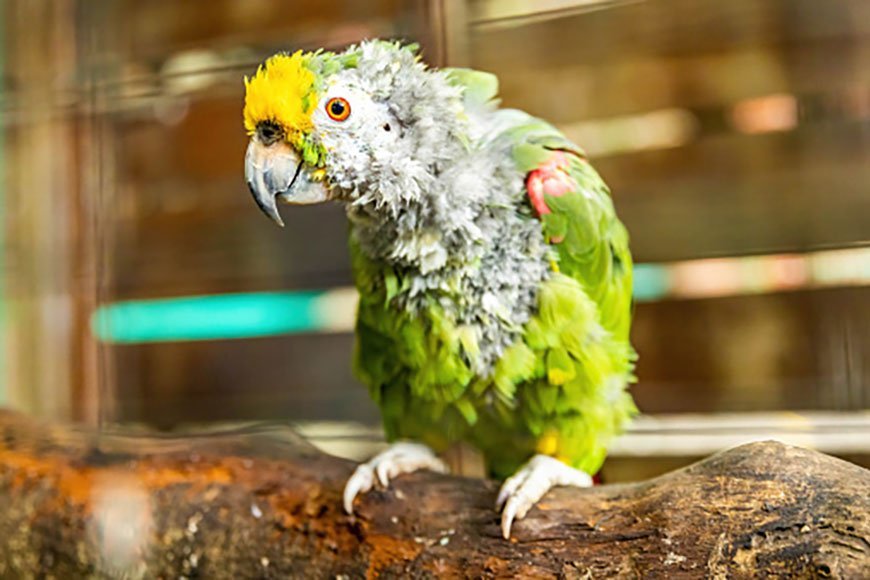
Changes in voice or vocalization. A raspy or altered voice compared to normal can sometimes accompany respiratory issues, something I’d actually noticed in my conure before the more obvious fluffing and lethargy set in, though I didn’t connect it at the time.
What to Do If You Notice These Signs
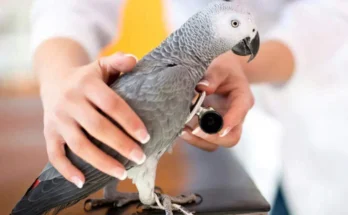
Contact an avian vet promptly. Respiratory issues in birds can progress quickly given their efficient but sensitive system, making this a situation where a wait-and-see approach genuinely isn’t advisable.
Remove potential irritants immediately. If you suspect an environmental cause, scented products, smoke, recent use of aerosol sprays nearby, removing the source right away, alongside seeking veterinary care, is a reasonable immediate step.
Keep your bird warm and calm while arranging care. Stress and cold both place additional strain on a bird already struggling respiratorily, so a warm, quiet space while getting to the vet helps in the short term.
Preventing Respiratory Problems
Avoid scented candles, air fresheners, and aerosol sprays near your bird’s living space. This was the single biggest change I made after my conure’s illness, and one I genuinely hadn’t considered a risk before that experience.
Use bird-safe cleaning products only. Strong chemical cleaners, especially bleach-based products, should be used with extreme caution and thorough ventilation, ideally with the bird moved to another space entirely during and after cleaning.
Ensure good ventilation in your bird’s room. Fresh air circulation, without direct drafts on the cage itself, helps maintain healthier air quality overall.
Avoid non-stick cookware overheating near your bird. Overheated non-stick coatings can release fumes that are genuinely toxic to birds, sometimes fatally so, making this one of the more serious and often overlooked household risks for bird owners.
Maintain reasonable humidity, especially in dry climates or seasons. A simple room humidifier during particularly dry months can help reduce respiratory irritation for some species.
What Changed in My Home After This Experience
Beyond her treatment and recovery, which took a couple of weeks of vet-prescribed medication and close monitoring, the bigger shift was in how I think about my whole home environment now, not just what’s directly in her cage. Scented candles are gone entirely, cleaning happens with her moved to another room, and I’m generally far more conscious of anything that produces fumes or strong airborne scent near her space. It’s a change that costs nothing but awareness, and one I wish I’d made before it took an actual illness to teach me why it mattered.