African Grey Parrot Care Guid
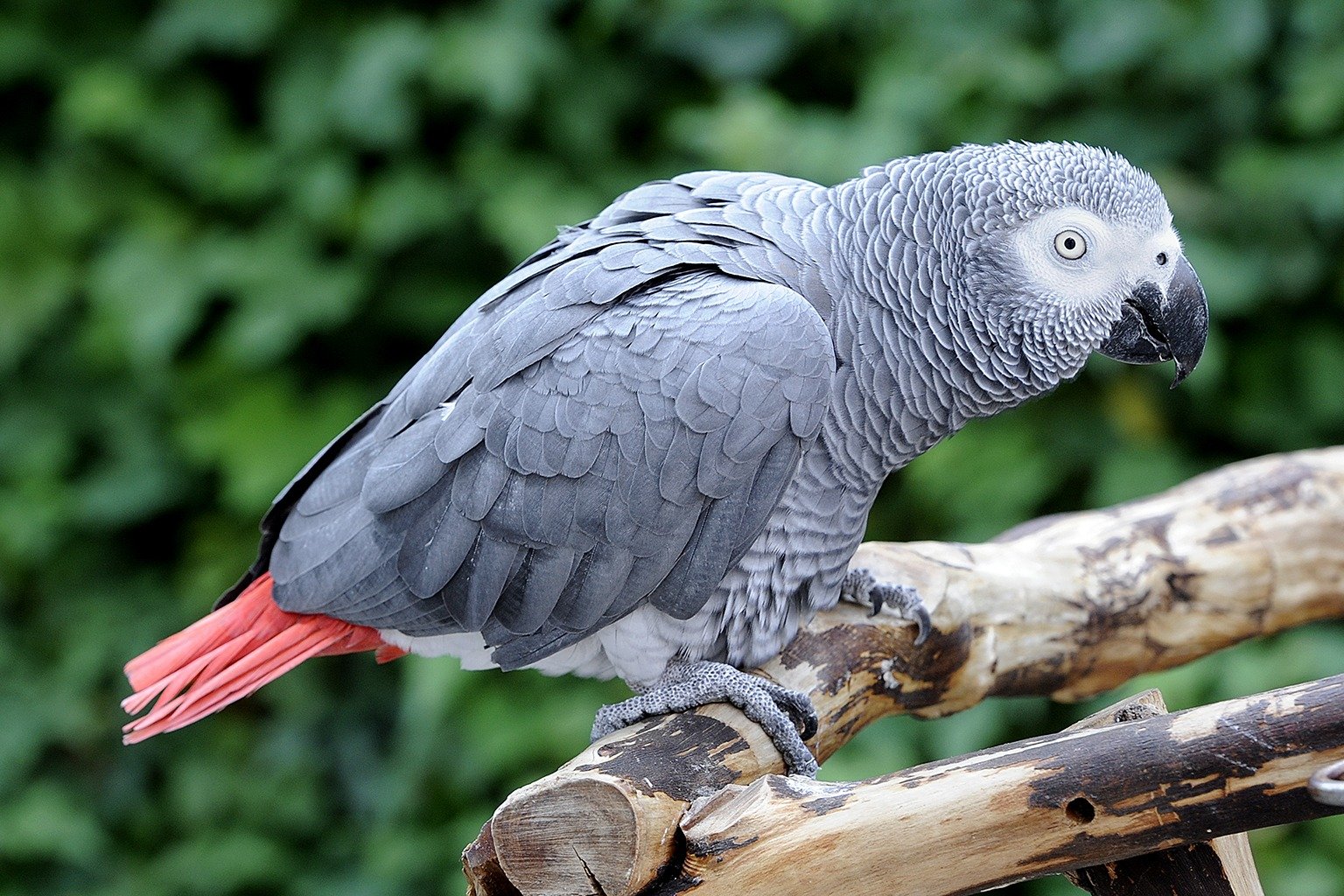
A friend of mine who owns an African Grey once told me the bird understood more of what she said than her toddler did at the time. I laughed it off until I spent an afternoon at her place and watched the bird respond appropriately to a request, not just mimic sounds, actually respond in context. That’s when I understood why African Greys have a reputation as one of the most intelligent pet birds, and also why they’re one of the more demanding ones to properly care for.
If you’re considering bringing one home, here’s what actually matters, based on time spent around several Greys owned by people close to me, not just general species descriptions.
Just How Intelligent Are They, Really
African Greys are often compared to young children in problem-solving ability, and it’s not just marketing language. They can learn extensive vocabularies, understand context well enough to use words appropriately rather than just repeating sounds, and get bored quickly without adequate mental stimulation. This intelligence is genuinely impressive, but it also means an under-stimulated Grey is more likely to develop serious behavioral issues than a less cognitively demanding species.
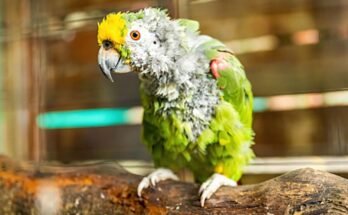
My friend’s Grey, when under-stimulated during a particularly busy month at her job, started plucking feathers on his chest, a stress response that took months of consistent enrichment and, eventually, a vet consultation to fully resolve.
Diet Needs
Like most parrots, African Greys do poorly on a seed-only diet long term. A base of high-quality pellets, supplemented with fresh vegetables and limited fruit, is generally recommended by avian vets. Greys specifically also benefit from a diet with adequate calcium, since they can be prone to calcium deficiency issues if their diet isn’t well balanced.
Fresh vegetables like leafy greens, broccoli, and sweet potato, along with occasional nuts as a treat, made up the bulk of what worked well for the Grey I’ve spent the most time around. Pure seed mixes were phased out gradually in favor of pellets, since sudden diet changes are often refused outright.
Cage and Space Requirements
Given their size and activity level, African Greys need a genuinely spacious cage, larger than what’s often marketed as suitable for “medium” parrots. Enough room to spread wings fully and move between multiple perches matters, along with sturdy construction, since Greys have a strong beak capable of damaging poorly built cages over time.
The Emotional Sensitivity Factor
This is something that surprised me the most about spending time around African Greys. They’re known for being emotionally sensitive, sometimes reacting strongly to changes in routine, household stress, or even a shift in a family member’s tone of voice. Several Grey owners I know describe their birds picking up on household tension in a way that felt almost uncanny.
This sensitivity means consistency really matters. Sudden changes to their environment, cage location, daily schedule, or primary caregiver, can trigger stress behaviors like plucking or withdrawal that take a while to resolve.
Social and Mental Stimulation Needs
African Greys need significant daily interaction and mental engagement, arguably more than most other popular parrot species. Puzzle toys, foraging activities, and regular training sessions all help keep them mentally occupied. Training, teaching new words, simple tricks, or target training, isn’t just for show either, it’s a genuinely effective way to provide the mental workout this species needs.
The Grey I’ve observed most closely has a rotating set of foraging toys that require him to work for treats, and his owner credits this rotation, changed roughly every one to two weeks, with a noticeable reduction in destructive chewing behavior compared to when he had the same static toys for extended periods.
Common Health Concerns
Beyond general parrot health signs, African Greys specifically have a known tendency toward calcium deficiency, which can lead to seizures in severe cases if left unaddressed. A balanced diet with adequate calcium sources, alongside appropriate UV light exposure or supplementation as advised by an avian vet, helps manage this risk.
Feather plucking, as mentioned earlier, is also relatively common in this species when stress or boredom isn’t adequately addressed, making mental stimulation not just a nice-to-have but a genuine part of preventive health care for this bird.
Is an African Grey Right for You
Based on what I’ve seen from people who own them well, African Greys reward owners who can provide real daily engagement, a stable routine, and patience with their emotional sensitivity. They’re not a bird you can leave in a cage with minimal interaction and expect to thrive. For the right owner, someone genuinely prepared for a decades-long commitment with a bird this intelligent and responsive, they make an incredibly rewarding companion. For someone looking for a lower-maintenance pet, this probably isn’t the right species to start with.