The first week with my parrot, I genuinely thought I’d made a mistake. He screamed every time I left the room, refused most of the fresh food I offered, and seemed to trust the cage bars more than he trusted me. It took a few months of consistent routine, patience, and honestly a fair bit of research to understand what he actually needed, not what I assumed a bird needed based on general pet advice.
Parrots are not a low-maintenance pet, and that’s really the first thing anyone considering one should understand clearly. Here’s what I’ve learned about actually caring for one properly, based on getting a lot of it wrong at first.
Understanding What You’re Taking On
Parrots are intelligent, long-lived, and deeply social animals. Depending on the species, a parrot can live anywhere from 15 to over 50 years, and many require daily social interaction comparable to what you’d give a dog, not what most people expect from a caged bird. Before bringing one home, it’s worth being honest with yourself about the time and long-term commitment involved, since a bored, under-stimulated parrot tends to develop serious behavioral problems.
Setting Up the Right Cage
The cage is where your parrot will spend a significant part of its day, so size and setup matter more than people expect. As a general rule, bigger is always better, a cramped cage leads to stress and boredom regardless of how many toys you add.
What to prioritize:
- Horizontal space for flying and movement, not just height
- Bar spacing appropriate to the species, wide enough to prevent head entrapment for larger birds, narrow enough to prevent escape for smaller ones
- Multiple perch types and thicknesses to keep foot muscles healthy
- Placement away from kitchen fumes, direct drafts, and constant loud noise
My first cage was technically large enough on paper but poorly laid out, with perches too close together and almost no room to actually stretch his wings. Rearranging it made a noticeable difference in how active and settled he became.
Diet: Beyond Just Seed Mix
This was my biggest early mistake. I assumed a standard seed mix was a complete diet, the way it’s often marketed. Seed-only diets are actually one of the most common causes of long-term health problems in pet parrots, since they’re high in fat and missing key nutrients.
A healthier approach generally includes:
- A high-quality pelleted diet as the base, formulated for complete nutrition
- Fresh vegetables daily, things like leafy greens, carrots, and bell peppers
- Limited fresh fruit as a treat, not a staple
- Seeds and nuts in moderation, not as the primary food source
It took my parrot a while to accept pellets and vegetables after being used to seed, and slow, patient introduction, mixing new foods in gradually, worked far better than switching everything overnight.
Social Needs and Daily Interaction
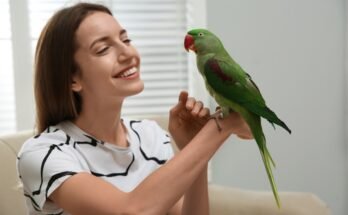
Parrots bond closely with their owners and generally need real daily interaction, not just a few minutes of feeding and cage cleaning. A parrot left alone for long stretches without engagement often develops stress behaviors like feather plucking, excessive screaming, or aggression.
I now build in dedicated time each day, sometimes just sitting near his cage talking to him, sometimes actual out-of-cage time for play and training. The difference in his behavior between periods when I was consistent with this and periods when I wasn’t consistent was noticeable enough that I don’t skip it anymore.
Mental Stimulation and Toys
Boredom is one of the biggest hidden problems in captive parrots. In the wild, they’d spend hours foraging, problem-solving, and socializing. A cage with just a couple of static toys doesn’t come close to replicating that.
Rotating toys regularly, introducing foraging toys that make him work for treats, and offering safe chewable items all helped reduce destructive and stress-related behavior in mine. It’s a small habit, rotating what’s in the cage every week or two, that made a real difference over time.
Common Health Warning Signs
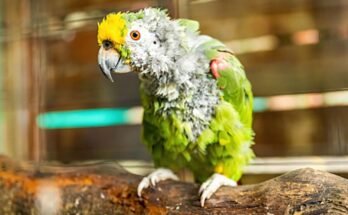
Parrots are skilled at hiding illness, an instinct from the wild where showing weakness makes them a target. By the time symptoms are obvious, a health issue may already be fairly advanced. Signs worth watching for include:
- Fluffed feathers for extended periods, especially outside of normal sleep time
- Changes in droppings, consistency, color, or frequency
- Reduced appetite or sudden weight loss
- Labored breathing or tail bobbing while breathing
- Sitting at the bottom of the cage instead of perching
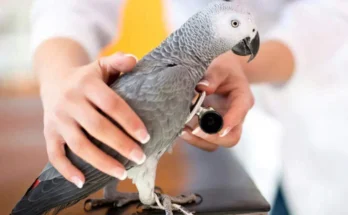
Finding an avian-specialized vet before you actually need one is worth doing early, since not every general vet is equipped to treat birds properly.
A Realistic Look at the Commitment
Looking back, the hardest adjustment wasn’t the diet or the cage setup, it was recalibrating my expectations around how much time and consistency a parrot actually needs. They’re not a pet you can leave largely on their own the way some other animals tolerate. The payoff, a genuinely bonded, engaged companion, is real, but it comes from putting in that consistent effort, especially in the first several months.
If you’re seriously considering a parrot, go in with realistic expectations about the daily commitment, do the research on your specific species’ needs, since they vary more than people expect, and be patient during the adjustment period. Mine took months to fully settle in and trust me. It was worth every bit of that patience.