How to Find a Good Avian Vet
When my cockatiel first got sick, I made the mistake of calling the nearest general vet clinic, the same one that handled my neighbor’s dog, assuming any vet could handle a basic bird checkup. I found out fairly quickly that wasn’t the case. The vet was honest that she had limited experience with birds and recommended I find a specialist instead, which meant an additional delay while I searched for one during an already stressful situation. Since then, I’ve made sure to have an avian vet identified and established well before I actually need one.
Why Not Every Vet Can Properly Treat Birds
Bird physiology, from their unique respiratory system to their tendency to mask illness, requires specific training that not all general veterinarians have. Avian medicine is genuinely a specialized field, and a well-meaning general vet without that specific training can sometimes miss things a specialized avian vet would catch, or may simply feel uncomfortable treating a bird given the differences from more commonly treated pets.
Start Looking Before You Need One
This is really the most important piece of advice from my own experience. Searching for an avian vet during an actual emergency, when your bird is already unwell and you’re stressed, is a genuinely worse position to be in than researching calmly ahead of time. As soon as you bring a new bird home, or ideally before, it’s worth identifying at least one qualified avian vet in your area.
Where to Actually Look
Association of Avian Veterinarians directory. This organization maintains a searchable directory of vets with specific avian training, and it’s generally one of the more reliable starting points for finding a genuinely qualified specialist rather than just a general vet who occasionally sees birds.
Local bird clubs or rescues. Bird clubs and rescue organizations often have well-established relationships with local avian vets and can offer genuine recommendations based on other members’ actual experiences, not just online reviews.
Ask other bird owners directly. Local pet forums, social media groups for bird owners in your area, or even conversations at a pet store that specifically caters to birds can turn up recommendations you won’t find through a general search.
What to Ask When Contacting a Potential Vet
Do you specifically treat birds, or is it occasional? Some general vets see birds occasionally but don’t have deep, specific avian training. Asking directly about their experience level and how often they actually treat birds helps clarify this.
What species do you have the most experience with? If you own a less common species, confirming the vet has relevant specific experience, rather than general “bird” experience limited mostly to budgies, for example, is worth checking.
Do you offer emergency or after-hours care, or a referral for it? Given how quickly avian health issues can progress, knowing your options for after-hours emergencies before you need them matters.
What are typical costs for a routine checkup? Avian vet visits can sometimes cost more than general pet visits given the specialized nature of the care, so getting a general sense of pricing ahead of time helps avoid surprises.
Scheduling an Initial Wellness Visit
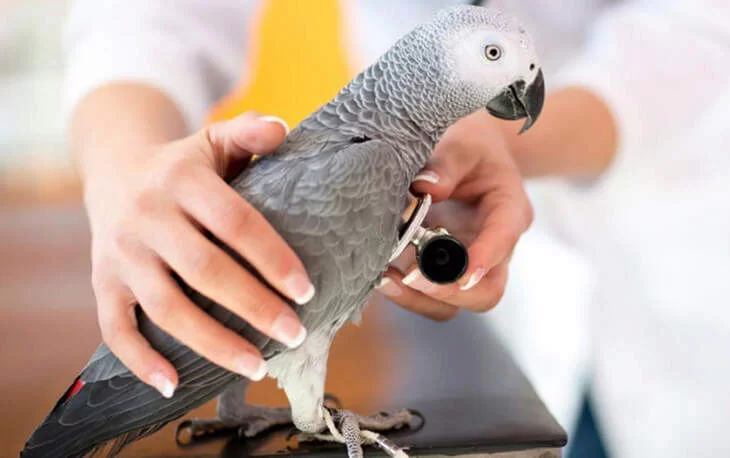
Rather than waiting for an actual health concern, scheduling a general wellness checkup shortly after bringing a new bird home serves two purposes: it establishes a baseline for your bird’s normal health markers, and it gives you a chance to evaluate whether you’re comfortable with the vet’s approach before you’re in a stressful, urgent situation.
This is exactly what I wish I’d done with my cockatiel from the start, rather than only searching for a specialist after something had already gone wrong.
Red Flags Worth Noting
Reluctance to discuss their specific avian experience. A vet confident in their bird-specific training generally won’t hesitate to explain their background when asked directly.
Dismissiveness about subtle symptoms. Given how effectively birds mask illness, a vet who brushes off subtle behavioral changes you’ve noticed, rather than taking them seriously as potential early warning signs, may not have the specific avian expertise needed to catch issues early.
What I Do Differently Now
After that first stressful experience trying to find help during an actual emergency, I now keep my established avian vet’s contact information saved clearly, along with their after-hours emergency protocol, somewhere easy to find quickly. It’s a small piece of preparation that removes one major source of panic if something does go wrong, since the search itself, the part that delayed my cockatiel’s care initially, is already done well ahead of time.