Signs Your Bird Is Sick (And What to Do)
I almost missed the early signs that my conure was seriously unwell. She was still eating, still somewhat active, and it wasn’t until I noticed she’d been sitting unusually fluffed at the bottom of her cage for longer than normal that I paid real attention. By the time I got her to an avian vet, she had a respiratory infection that had likely been developing for days, maybe longer, before I noticed anything clearly wrong. That experience taught me just how easy it is to miss what a bird is actually trying to hide.
Why Birds Are So Good at Hiding Illness
In the wild, showing visible weakness makes a bird a target for predators, so birds have evolved to mask symptoms of illness until they’re often fairly advanced. This instinct doesn’t disappear in a domestic setting. By the time obvious symptoms appear, a sick bird has often been unwell for longer than the visible signs suggest, which is exactly why catching subtle changes early matters so much.
Changes in Droppings
This is one of the more reliable early indicators, and something worth genuinely paying attention to daily, not just when something already seems off. Watch for:
- Significant changes in color, consistency, or volume compared to your bird’s normal pattern
- Undigested food visible in droppings
- Noticeably increased or decreased frequency
Getting familiar with what’s normal for your specific bird makes it much easier to notice when something shifts, which is part of why a quick daily glance during routine cage cleaning is worth building into a habit.
Changes in Eating and Drinking
A reduction in appetite, or noticeably increased water consumption, can both signal underlying health issues. With my conure, I hadn’t noticed a dramatic drop in eating, just a slight reduction I’d initially dismissed as normal day-to-day variation, something I now know is worth taking more seriously than I did at the time.
Fluffed Feathers Outside Normal Rest Periods
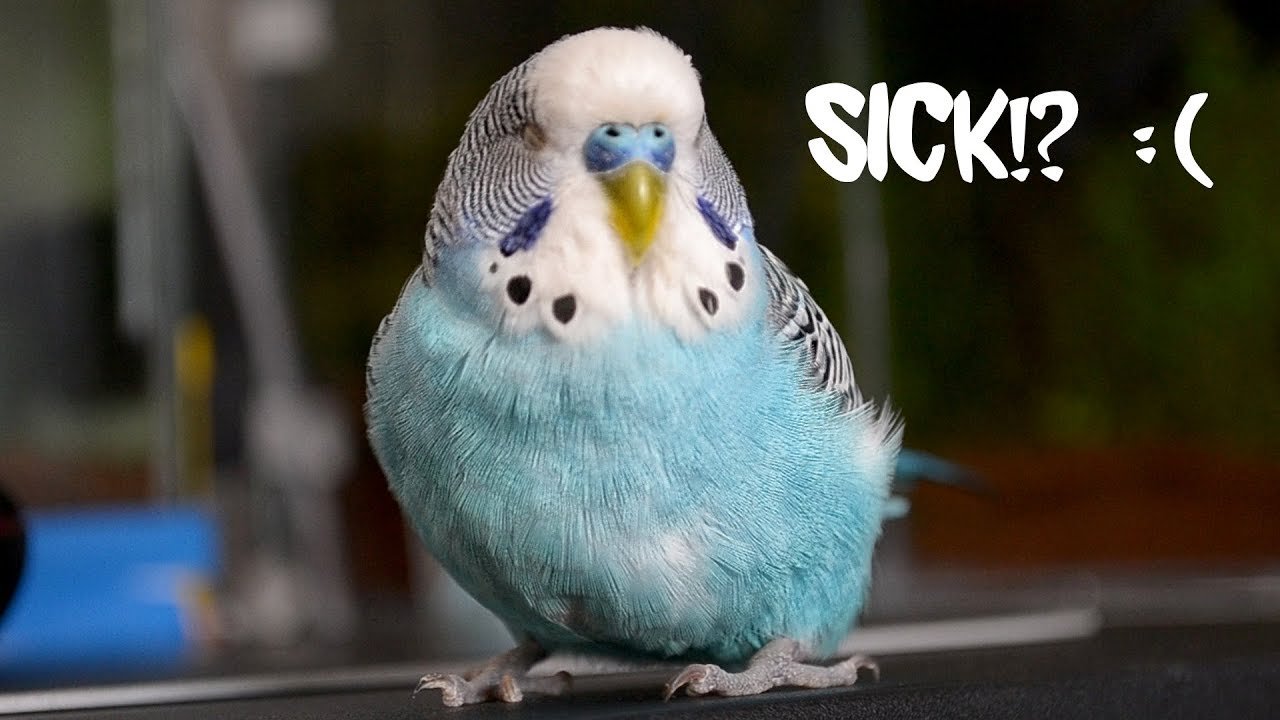
Birds fluff their feathers periodically, especially during rest or sleep, as a normal behavior. Persistent fluffing throughout the day, especially combined with lethargy or reduced activity, is a warning sign worth paying closer attention to. This was ultimately the clue I caught with my conure, though I wish I’d taken it seriously a day or two earlier than I did.
Changes in Breathing
Labored breathing, tail bobbing in sync with breathing, wheezing, or any audible clicking sound while breathing are all signs that warrant prompt veterinary attention, not a wait-and-see approach. Respiratory issues in birds can progress quickly given their efficient but sensitive respiratory system.
Sitting at the Bottom of the Cage
Birds are naturally inclined to perch, given their instinct to stay elevated and alert. A bird spending significant time on the cage floor rather than perching, especially if this is unusual for them specifically, is a meaningful sign something may be wrong.
Changes in Vocalization
A normally chatty, vocal bird going unusually quiet, or a typically calm bird becoming distressed and vocal in an unusual pattern, can both be worth noting. Vocal patterns are fairly individual, so again, familiarity with your specific bird’s normal behavior helps you catch meaningful changes.
Discharge or Swelling
Any visible discharge from the eyes, nares (nostrils), or beak, along with any swelling around the eyes, joints, or abdomen, warrants prompt veterinary attention rather than a wait-and-see approach.
What to Actually Do If You Notice These Signs
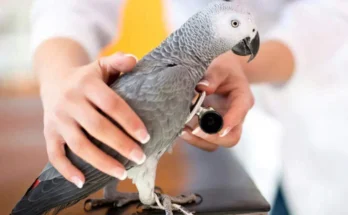
Contact an avian veterinarian promptly. Not all general vets are equipped to properly treat birds, so having an avian-specialized vet identified before you need one, rather than searching during an emergency, makes a real difference in how quickly your bird gets appropriate care.
Keep your bird warm and minimize stress in the meantime. Sick birds often struggle to maintain body temperature. A warm, quiet, low-stress environment while arranging veterinary care can help stabilize your bird slightly in the short term.
Don’t wait to see if it resolves on its own. Given how effectively birds mask illness, by the time symptoms are clearly visible, waiting further to see if things improve independently often allows a treatable issue to become more serious.
What I Do Differently Now
Since my conure’s respiratory infection, thankfully caught in time to be treated successfully, I’ve built a genuine daily habit of paying attention during routine care, not just feeding and cleaning on autopilot, but actually observing her behavior, droppings, and general demeanor each day. It sounds like a small shift, but catching subtle changes early is really the entire game when it comes to bird health, given how well they’re built to hide when something’s wrong.