Seed Diet vs Pellet Diet – Which Is Better for Birds?
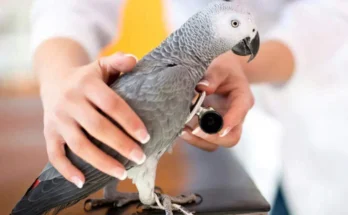
For the first year I owned my cockatiel, I fed her a standard seed mix, the kind sold in most pet stores with a colorful bag and a picture of a happy bird on the front. It wasn’t until a routine vet visit that I learned this diet, despite looking complete, was missing key nutrients and contributing to early signs of fatty liver concerns my vet flagged during her checkup. That appointment changed how I thought about her diet entirely, and led me through a switch to a pellet-based diet that took weeks longer than I expected but made a genuine difference.
Why Seed-Only Diets Fall Short
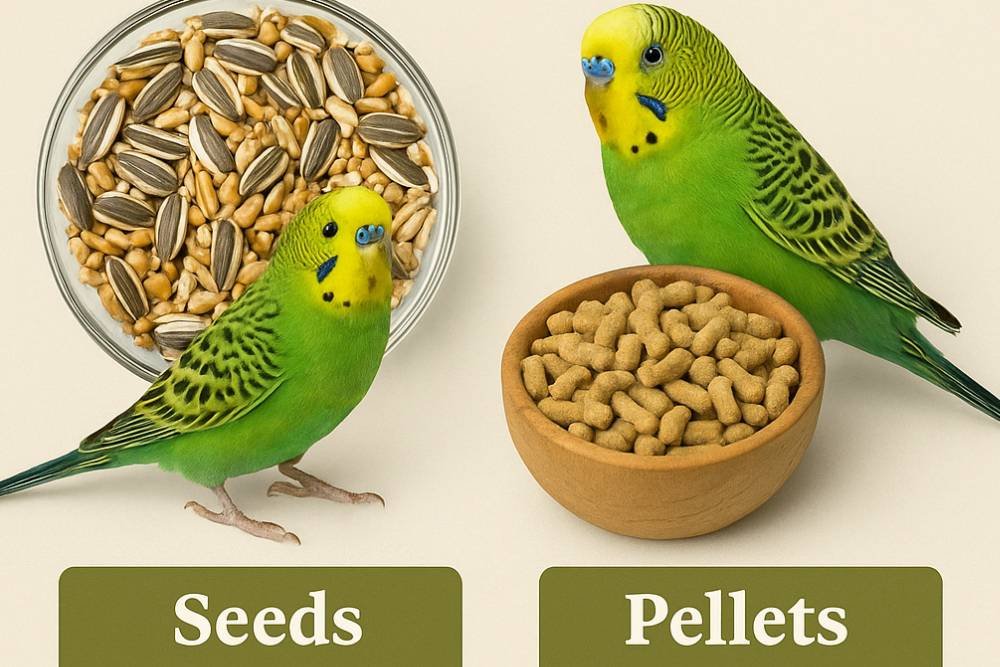
Seeds are calorie-dense and high in fat, which made sense evolutionarily for wild birds needing energy for foraging and flight, but it’s a poor match for a pet bird’s far less active lifestyle. Beyond the fat content, seed mixes are often deficient in vitamin A, calcium, and other nutrients birds need for long-term health. Many birds also selectively eat their favorite seeds from a mix, sunflower seeds are a common favorite, further skewing an already imbalanced diet toward fat and away from proper nutrition.
My vet explained that seed-only diets are one of the most common underlying contributors to health problems she sees in pet birds, not because owners are neglectful, but because seed mixes are marketed and packaged in a way that makes them look like a complete diet when they’re genuinely not.
What Pellets Actually Offer
Pelleted bird food is formulated to provide more complete, balanced nutrition in each piece, since a bird can’t selectively pick out just the “tasty” parts the way they can with a varied seed mix. Quality pellet brands are designed with appropriate vitamin, mineral, and protein levels for the species they’re formulated for.
This doesn’t mean pellets alone are a perfect complete diet either, most avian vets recommend pellets as the base, roughly 60 to 80 percent of the diet, supplemented with fresh vegetables, limited fruit, and occasional healthy treats, rather than pellets making up 100 percent of intake.
The Switch Isn’t Always Easy
This is the part that caught me off guard. I assumed switching my cockatiel’s food would be as simple as changing what was in her dish. She refused pellets outright for the first several attempts, some birds, especially ones that have eaten seed exclusively for a long time, can be genuinely resistant to dietary change.
What eventually worked for us:
- Mixing a small amount of pellets into her existing seed, gradually increasing the ratio over several weeks
- Offering pellets in the morning when she was hungriest, before offering seed later
- Trying different pellet textures and shapes, since some birds respond better to certain pellet forms than others
- Being patient rather than switching abruptly, which she simply refused the few times I tried it
It took close to six weeks of gradual transition before she was reliably eating a pellet-based diet with only occasional seed as a treat, not overnight, as I’d naively hoped.
Signs the Switch Is Working
Beyond simply watching what ends up in her dish, a few things helped confirm the transition was genuinely successful: consistent droppings without changes suggesting digestive upset, stable weight during the transition period, and continued normal activity and appetite throughout. I also kept in touch with my vet during the process, since a bird refusing to eat adequately during a diet transition is a genuine concern worth monitoring closely.
Does This Mean Seeds Are Bad Entirely
Not necessarily. Seeds in moderation, as an occasional treat or training reward rather than the dietary staple, aren’t inherently harmful. The issue is specifically with seed as the primary, near-exclusive diet, which is unfortunately how many pet birds are still fed by default simply because that’s what’s traditionally sold and marketed as standard bird food.
What I’d Tell Someone Just Starting This Transition
If your bird has been on a seed-heavy diet and you’re considering the switch, talk to an avian vet first, both for guidance specific to your bird’s species and current health, and to have a professional check-in point during the transition. Go slow, expect some resistance, especially from an older bird set in its habits, and don’t get discouraged if it takes weeks rather than days. The improvement in my cockatiel’s energy level and overall condition after fully transitioning made the gradual, sometimes frustrating process worth it in the end.